
However, in the face of price fluctuations and policy adjustments, the most concerned issue for enterprises and individual users goes straight to the core: Who is cheaper in the new economic structure?
Price status: Biomass Pellets Fluctuate Violently, While Wood Is Stable And Declining
- Biomass pellets:
- Surge cycle: From the end of 2024 to the beginning of 2025, due to the shortage of raw materials and rising energy costs, the price of high-quality pine wood pellets soared from 111.84 USD/ton to 167.79 USD-181.75/ton (winter peak), an increase of more than 50%.
- Normal range:
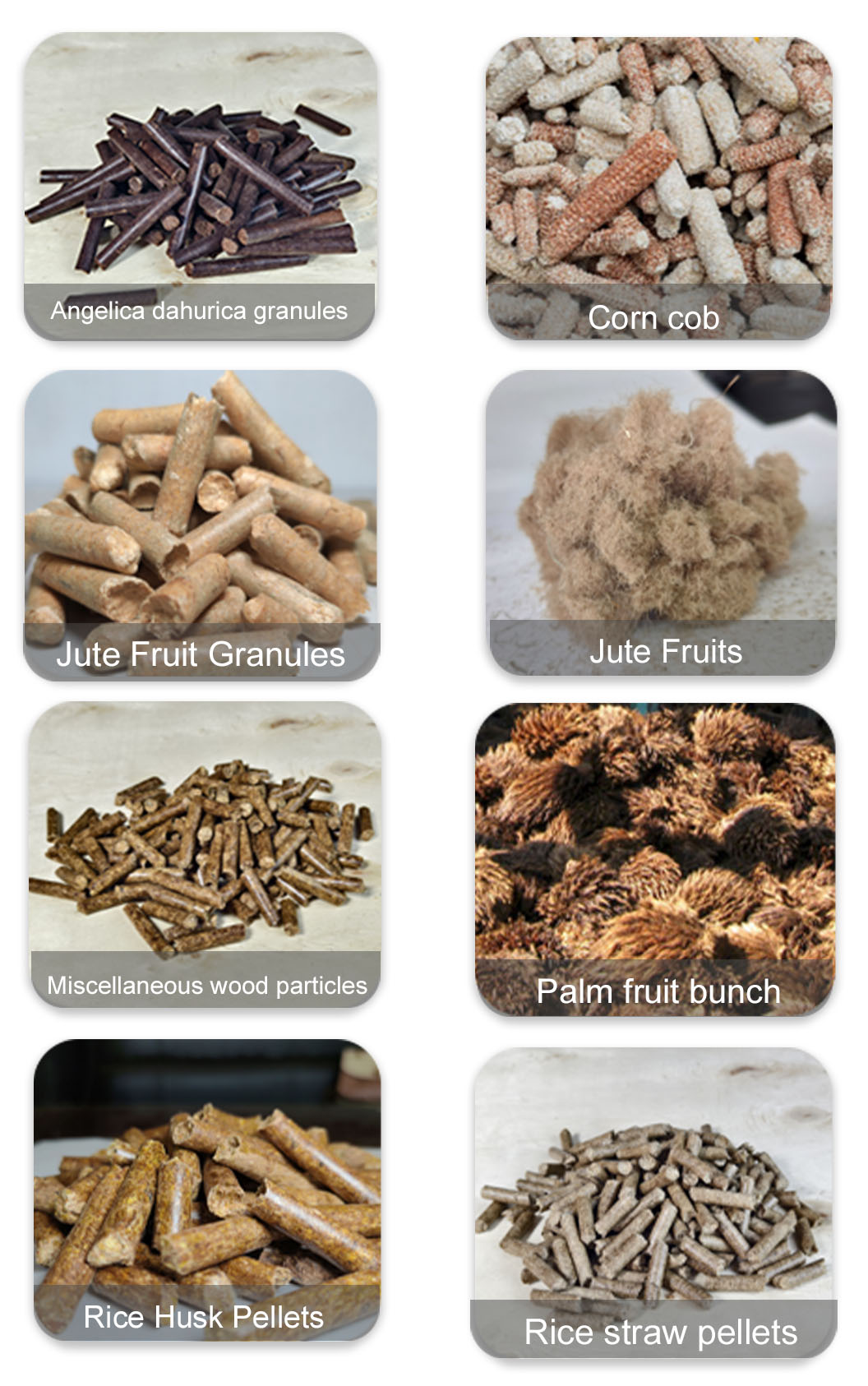
- Agricultural waste pellets (straw, peanut shells): low calorific value but affordable
- Ordinary wood pellets: the main force in the market
- High calorific value pure pine pellets: the right choice for heating/power generation
- Wood (coniferous logs):
- Continued downward trend: It will enter a downward cycle from 2022, and the current price of construction-grade coniferous logs (such as radiata pine) is stable at 111.84-195.72USD/m3.
Key conclusions:
In the short term, low-priced wood (such as construction scraps) is 30% cheaper than high-end pellets; but if compared with high calorific value fuels, the price difference between pine pellets and high-quality logs has shrunk to less than 10%.
Economic PK Of Application Scenarios: Choosing The Right One Is The Real Way To Save Money
1. Combustion efficiency
Biomass pellets: calorific value 3400-6000 kcal/kg, moisture content <8%, combustion efficiency 78%-90%, low emissions. It is mostly used in urban residences, commercial heating, power plants, steel mills, chemical plants, etc.
Wood: The calorific value varies greatly due to the moisture content (20%-50%). The calorific value of undried wood is reduced by more than 30%, and the combustion efficiency is only 40%-70%, with high emissions. In rural areas or areas with rich forest resources, the cost advantage is obvious.
2. Convenience of use
Biomass pellets: small size, high density, easy to store and transport; automatic feeding, suitable for continuous heating
Wood: requires drying space, large size; suitable for rural or forest areas, but requires manual intervention
Future Trends: Technology Reconstructs Costs, Policies Rewrite Rules
1. The path to reducing pellet costs is clear:
- Raw material innovation: The proportion of agricultural waste pellets such as straw and rice husks has increased, and the cost can be reduced to below 97.86USD/ton;
2. The policy balance is tilted:
- IEA (International Energy Agency/International Energy Agency) predicts: In 2030, biomass energy will account for 20% of global energy demand, and the scale of the pellet industry chain will exceed 300 billion US dollars.
The EU lists biomass pellets as a "carbon neutral energy source", and wood burning faces carbon tax sanctions.
Conclusion
Short term: The initial cost of wood is low, suitable for users with limited budgets or easy access to resources.
Long term: Biomass pellets have high comprehensive efficiency and more policy support, suitable for users who pursue automation and environmental protection.